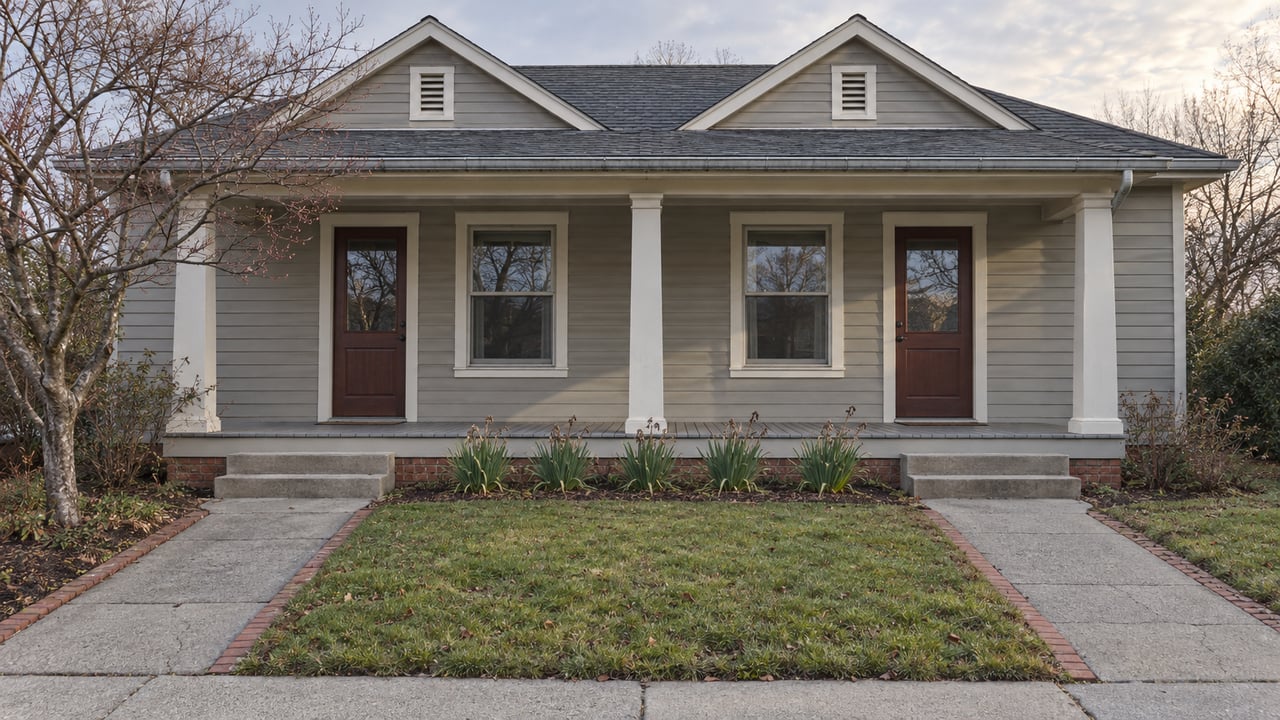
Buying a San Leandro Duplex or Fourplex This Winter? Ask What the Rent Was on July 1, 2025
Take a San Leandro apartment that rented for $2,000 a month on July 1, 2025. State law allowed the owner to raise it to $2,126 later that year, the figure the City used in a January 2026 Council example. Under the 3.3% adjustment the City published on October 27, 2026, the most that unit can rent for on January 1, 2027 works out to about $2,066. The gap between those last two numbers is income a buyer may be paying for in this winter's offer and won't collect after closing.
San Leandro's Residential Rent Stabilization Ordinance takes effect January 1, 2027. The City Council introduced it on January 12, 2026, on a 5–1–1 vote and adopted it on February 2, 2026, according to the City's legislative record. Most of the coverage has looked at it from the tenant's side. For anyone buying or selling a small apartment building, what matters most is how the cap is measured: it starts from a rent that was charged 16 months ago.
On October 27, the City posted the first allowable increase, and it works differently from the usual annual cap. For a covered unit, the January 1, 2027 maximum is the Base Rent plus a one-time adjustment. The Base Rent is what the unit rented for on July 1, 2025, or the starting rent if the tenancy began after that date.
| Tenancy began | Maximum rent on January 1, 2027 |
|---|---|
| On or before July 1, 2025 | Base Rent + 3.3% |
| After July 1, 2025 | Base Rent + 2.5% |
The 3.3% figure goes above the ordinance's 3% annual cap because, according to the City's guidance, it covers two fiscal years: 0.8% for July 2025 through June 2026 and 2.5% for July 2026 through June 2027. Both come from 65% of the regional CPI change.
Meanwhile, state law kept running. Under California's Tenant Protection Act, the Attorney General's rent cap table shows a 6.3% maximum for increases taking effect between August 1, 2025 and July 31, 2026 in the San Francisco area, which includes Alameda County. The City's guidance notes that increases must still follow lease terms and state notice rules. Even a full 6.3% increase that met those rules leaves the rent above San Leandro's January maximum, and the City says such a rent must be reduced to the maximum starting January 1, 2027. The City calls this a "rent rollback." Rent collected before then doesn't have to be refunded.
So when a listing shows a rent roll with this fall's rents, it can describe accurately what the building brings in today and still overstate what it will bring in next year.
Most multifamily units with a certificate of occupancy dated on or before February 1, 1995 fall under the cap. In San Leandro, that cutoff catches nearly all of the city's small apartment buildings. In an October 2025 Council presentation using City parcel data, staff estimated how many units in each building type would be eligible for stabilization:
Other City estimates land somewhere else. A December 2025 budget presentation put fully regulated units at 6,500 to 7,600. Every version tells a buyer the same thing, though: if you're shopping for a two-to-four-unit building in San Leandro, you should expect it to be covered.
The exemptions that come up most often in a small-property deal, per the City's Rent Program FAQ:
The fourth one matters most to buyers. A buyer who moves into half of a duplex is in a different position from one who buys the same building to rent out both units. That exemption covers duplexes only. A triplex or fourplex doesn't qualify because the owner lives there.
After 40-some years in this business, half of them also as a contractor, I treat a rent roll as one more disclosure to verify, the same as a foundation or a roof. Under this ordinance the City will be collecting the information you need. Owners will have to report it when they register, and the registration form asks for each unit's base rent as of July 1, 2025, when the current tenancy started, and the date and amount of the last rent increase.
For a pre-1995 building, those same numbers are worth asking for before the offer goes in:
With those in hand, multiply each Base Rent by 1.033 or 1.025 and compare the result with the rent the unit pays now. Any unit above that number will need to come down on January 1. The building's price should reflect the January rents, not the November ones.
A buyer takes on more than a rent level. On a covered unit, the owner who closes this winter gets these rules too:
Violations are expensive. According to the City, penalties include administrative fines of up to $500 per violation per day. That's a big reason the July 1, 2025 figures have to be accurate when they're registered.
Many of these properties have had the same owner for decades, and some are now passing to the next generation. A seller who still owns the building on January 1 has to register it and apply the rollback, whether or not it's on the market. If you have the July 1, 2025 rents, tenancy dates and increase history ready, you can register on time, and you'll also be able to answer the first questions a careful buyer's agent asks. A clean, verified rent roll that already accounts for January will hold up better in escrow than one that has to be revised partway through.
The City is hosting a drop-in Rent Program Open House on Monday, November 16, 2026, from 4:00 to 7:00 PM in the Main Hall of the San Leandro Senior Community Center, 13909 E 14th Street. Staff will cover both the registry and rent stabilization, and the City asks people to RSVP. Questions can also go to [email protected], and updates are posted on the City's Rent Program page.
This post is general information, not legal, tax or financial advice. Before you rely on any of these numbers for your own property, confirm the details with a real estate attorney or the City's Rent Program staff.
I rent out a single-family house in San Leandro. Does the cap apply? Most single-family homes and condos that can be sold separately are exempt from the rent increase limits. They still have to be registered if they're rented or offered for rent. The City also requires a business license for rental units, including single-family homes, and that's an existing rule.
Does the rollback mean refunds to tenants? No. The City says the ordinance doesn't require refunds for rent collected before January 1, 2027.
When will the next allowable increase be announced? By May 31 each year. That figure applies to increases taking effect from July 1 through June 30.
If you're looking at a duplex or fourplex in San Leandro, or wondering what the new rules mean for a building your family has owned for years, I'm glad to go through the rent roll with you before anyone signs anything. Reach out through Joe LoParo. Let's Connect.

East Oakland Adds 119 Affordable Homes at Liberation Park
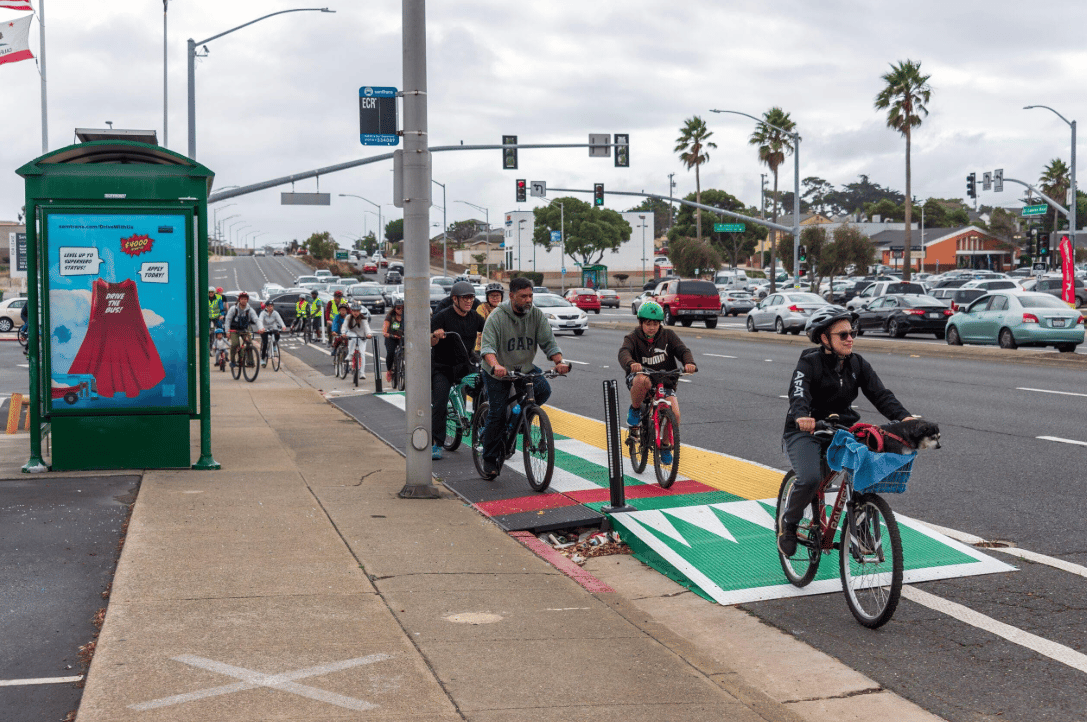
East Bay Greenway Brings New Improvements to San Leandro
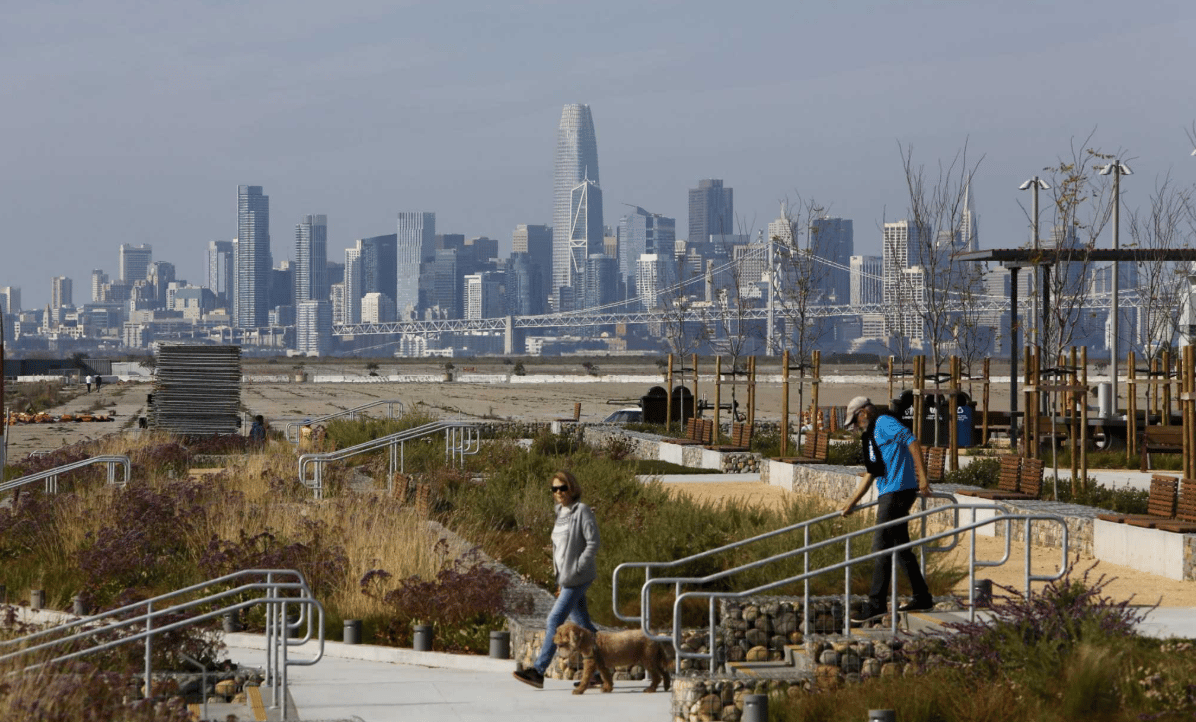
Alameda Point Redevelopment: Housing and Community Growth
A successful move requires someone who can see both the immediate details and the larger picture. Joe brings more than 35 years of experience to help clients make decisions with clarity and confidence. When you're ready, he's ready to help.
Joe LoParo
2437 Santa Clara Ave Alameda, CA 94501 Joe LoParo | CA DRE# 01394083 Keller Williams Advisors | CA DRE# 02029039