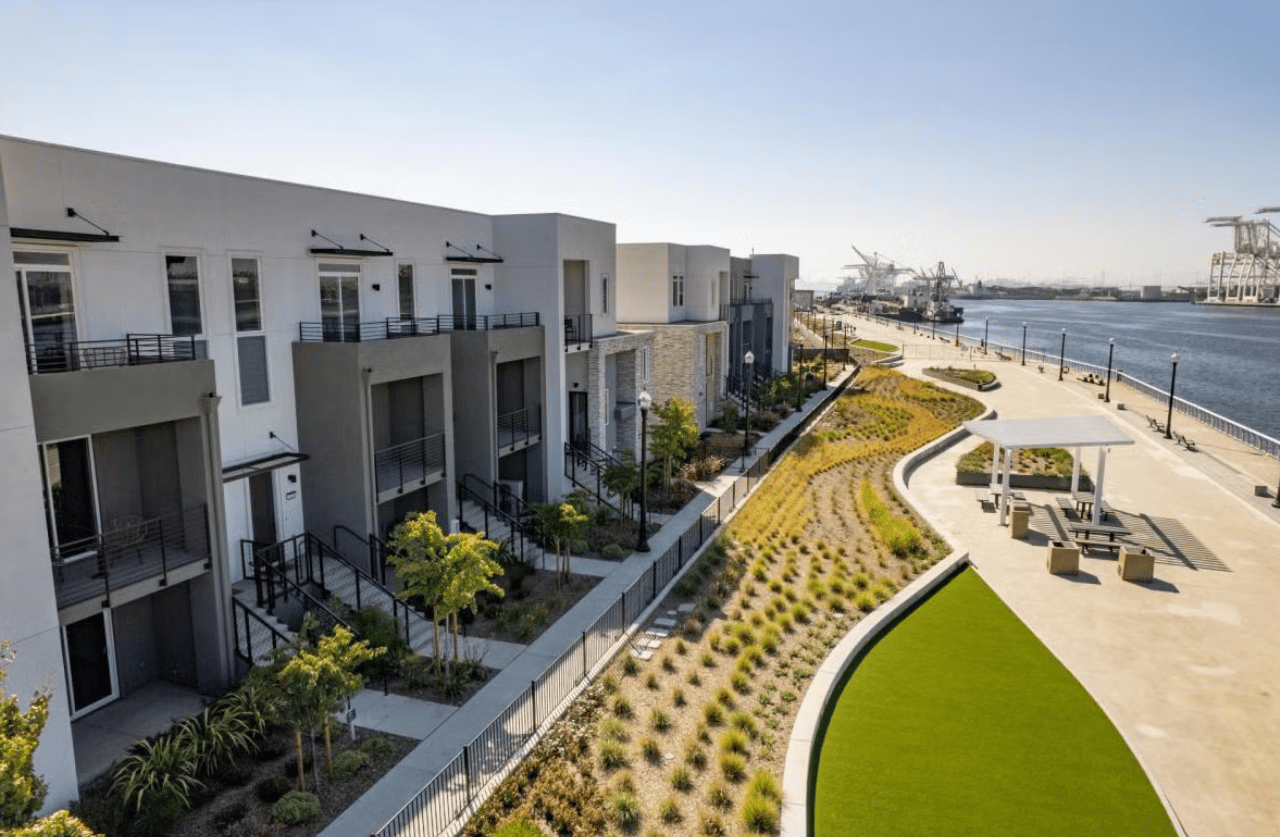
How Energy-Efficient Improvements Are Shaping Alameda Housing
Energy efficiency is becoming an increasingly important part of conversations about housing, and a recent project at Alameda Point shows how upgrades to existing homes can benefit both residents and the broader community.
On September 29, Alameda Municipal Power (AMP) announced a $50,000 grant to Alameda Point Collaborative (APC) to support building electrification. The funding helped APC install efficient heat-pump water heaters in 20 homes at Alameda Point.
APC provides permanent supportive housing and currently serves more than 500 residents across 121 housing units at Alameda Point.
One of the most important aspects of the project is that it focuses on upgrading existing homes rather than creating new housing.
Replacing older natural-gas water heaters with heat-pump technology can improve the efficiency of a home while helping existing housing remain functional and sustainable for the people who live there.
For communities with established housing, improvements like these can be an important part of maintaining and modernizing properties over time.
Homeowners are increasingly paying attention to energy use, utility costs, and the efficiency of major home systems.
The City of Alameda notes that building electrification can include upgrades such as heat-pump water heaters, heating systems, electric panels, dryers, and other appliances. Alameda Municipal Power also provides 100% clean electricity, making electrification an important part of the city's sustainability efforts.
For homeowners considering improvements, energy efficiency can therefore be about more than simply updating the appearance of a property. It can also involve improving how the home operates.
The APC project also demonstrates how improvements to housing can contribute to community resilience.
According to AMP, the grant program is designed to help nonprofits and community-serving organizations adopt efficient electric technologies. Eligible projects can include replacing fossil-fuel systems with electric alternatives such as heat-pump HVAC and water-heating systems.
These types of improvements can help organizations maintain their properties while supporting the long-term needs of residents.
The $50,000 grant is part of AMP's Community Benefit Building Electrification Grant Program. The next application period is scheduled to open in January 2027.
Eligible nonprofits, community organizations, and certain government-owned or low-income multifamily housing properties in Alameda can apply for funding to support qualifying electrification projects.
For property owners and organizations considering future upgrades, programs like this may provide an opportunity to offset some of the costs associated with energy improvements.
The project at Alameda Point is one example of a broader shift toward making existing housing more energy efficient and sustainable.
For homeowners, improvements such as efficient water heaters, heating systems, insulation, electrical upgrades, and other energy-saving features can become part of a property's long-term maintenance plan. They may also contribute to a home's comfort and appeal when it eventually comes time to sell.
While not every improvement will make sense for every property, homeowners can consider energy efficiency alongside other priorities such as maintenance, functionality, comfort, and long-term value.
The $50,000 grant awarded to Alameda Point Collaborative highlights how investments in existing housing can support residents while also improving energy efficiency.
As Alameda continues to focus on sustainability and housing, energy-efficient upgrades may become an increasingly important part of maintaining and improving the city's homes and housing communities.
For homeowners, the takeaway is simple: small improvements to how a home uses energy can be part of a larger strategy for creating a more comfortable, efficient, and sustainable property.

Alameda Point Redevelopment: Housing and Community Growth
Alameda County Program Helps Seniors Age in Place by Selling Their Homes
Housing Affordability in Alameda County: What It Means for Homebuyers and Homeowners
A successful move requires someone who can see both the immediate details and the larger picture. Joe brings more than 35 years of experience to help clients make decisions with clarity and confidence. When you're ready, he's ready to help.
Joe LoParo
2437 Santa Clara Ave Alameda, CA 94501 Joe LoParo | CA DRE# 01394083 Keller Williams Advisors | CA DRE# 02029039