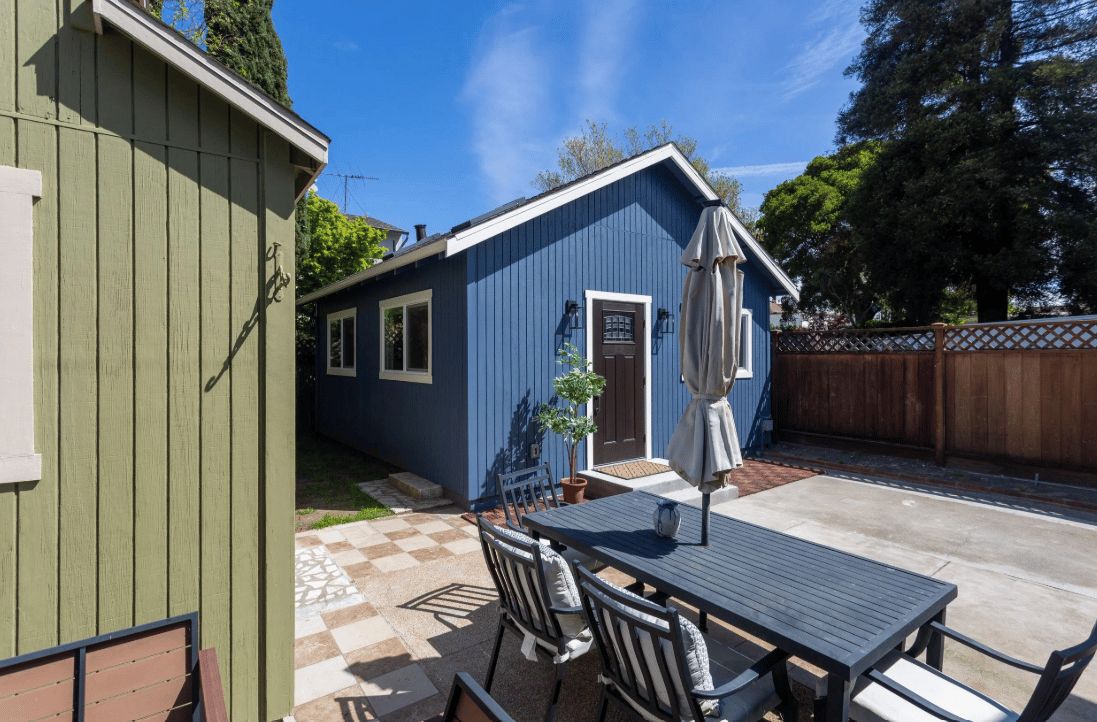
Alameda County Program Helps Seniors Age in Place by Selling Their Homes
As housing costs continue to challenge communities across the East Bay, Alameda County is exploring a creative way to help older homeowners remain in their neighborhoods while creating opportunities for other families to purchase homes. A new pilot program called SHIFT aims to make this possible by helping eligible seniors build smaller, accessible homes on their existing properties and sell their original houses.
The initiative offers a fresh perspective on aging in place, homeownership, and how existing residential properties could help address local housing needs.
Announced in October 2026, the senior pilot is part of Alameda County’s Scalable Housing Infill Funding Toolkit, known as SHIFT. The program is being developed to help older homeowners who may have substantial home equity but limited income available to finance a new housing project.
Under the proposed approach, eligible homeowners would build an accessory dwelling unit, or ADU, on their property and move into the smaller home. They could then pursue a lot split and sell their original house, using the proceeds to help repay construction costs and strengthen their financial reserves.
According to the San Francisco Chronicle, the county hopes to complete 10 ADUs in the initial phase, with a goal of reaching 50 within two years. Outreach to potential participants is expected to begin in early 2027. The program is still being developed, so eligibility and participation details should be confirmed with the county as they become available.
For many older homeowners, remaining in a familiar community is important. However, maintaining a large house can become more difficult as mobility, finances, and daily needs change.
An ADU can provide a smaller living space on the same property, potentially reducing the burden of maintaining a larger home. Depending on its design, it may also offer accessibility features that make everyday living more manageable.
This type of arrangement could allow seniors to stay close to their neighbors, friends, and community connections while adapting their housing to a new stage of life.
However, moving from a longtime family home is a significant decision. Seniors should carefully consider privacy, comfort, future care needs, and whether they are emotionally ready to sell a property that may hold decades of memories.
The SHIFT pilot also aims to address the limited supply of homes available to buyers. If an older homeowner moves into a backyard ADU and sells the original house, that property could become an opportunity for a family looking to purchase a home in the East Bay.
Rather than relying entirely on new large-scale developments, this approach explores how existing residential land might accommodate different housing needs over time.
For prospective buyers, the sale of these homes could potentially expand the range of properties available in participating communities. However, the actual impact will depend on how many projects move forward, whether the properties are suitable for sale, and the costs associated with construction and subdivision.
The program is a pilot initiative, so it is too early to determine how significantly it will affect housing availability or affordability across Alameda County.
Although the concept offers potential benefits, building an ADU and selling an existing home involves several financial and legal decisions.
Before moving forward, homeowners should consider:
Homeowners should consult qualified legal, tax, financial, and real estate professionals before making decisions. The program’s final requirements and available support should also be reviewed directly with Alameda County.
The SHIFT senior ADU pilot highlights an important question for the East Bay: How can communities help longtime residents remain in familiar neighborhoods while making better use of existing housing?
For seniors, the idea may provide another option to consider when planning for retirement, reducing home maintenance, or accessing home equity. For homebuyers, it could eventually introduce more opportunities to purchase existing homes.
Still, this approach will not be right for every homeowner. The decision to build a smaller home and sell a longtime property depends on personal preferences, financial circumstances, family considerations, and the feasibility of the project.
Anyone interested in learning more should monitor updates from the Alameda County Housing and Community Development Department as the pilot develops.
Alameda County’s SHIFT senior ADU pilot represents a creative approach to two connected housing challenges: helping older adults plan for their next chapter and creating potential opportunities for future homeowners.
While the program is still in development, it encourages homeowners to think beyond traditional options when planning their housing and financial future. With careful planning and appropriate professional guidance, an accessory dwelling unit may be worth exploring for some seniors who want to remain in their community while simplifying their living arrangements.
For homeowners considering downsizing, selling, or adapting their property for the future, understanding the available options is an important first step.

Alameda Reviews Housing Authority and Housing Plans
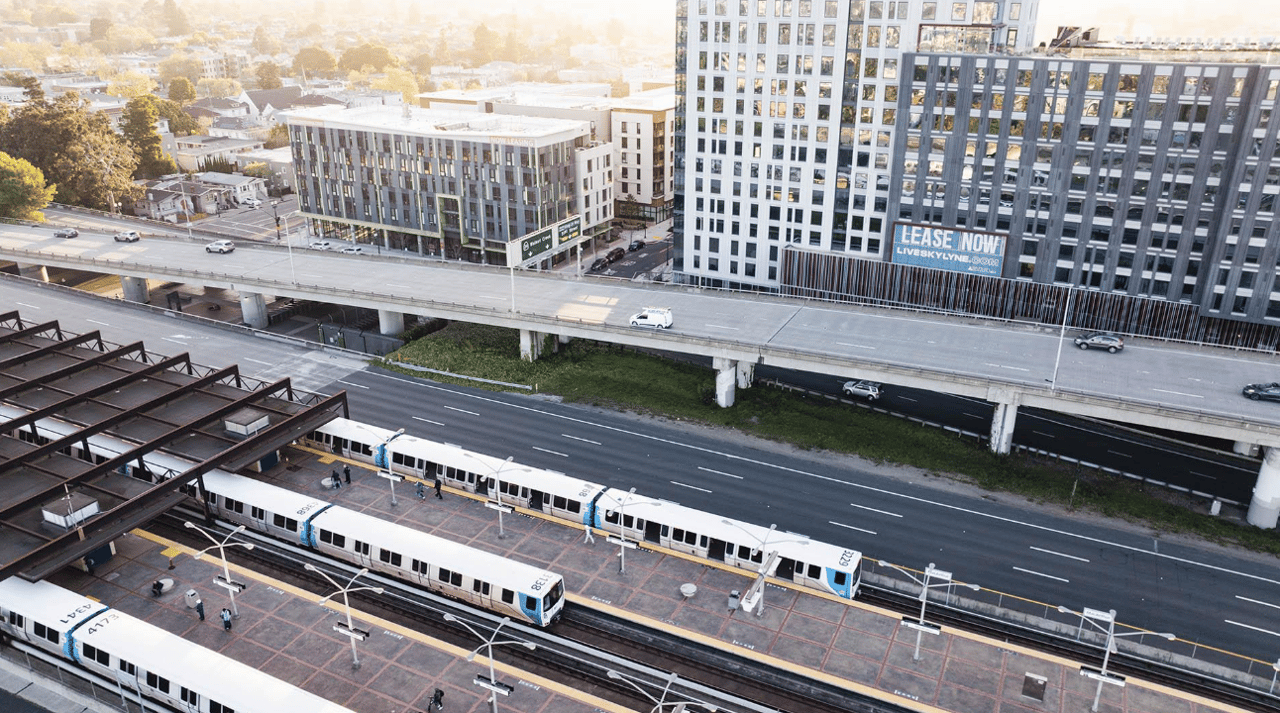
Oakland Updates Transit-Area Housing and Zoning Rules

East Oakland Adds 119 Affordable Homes at Liberation Park
A successful move requires someone who can see both the immediate details and the larger picture. Joe brings more than 35 years of experience to help clients make decisions with clarity and confidence. When you're ready, he's ready to help.
Joe LoParo
2437 Santa Clara Ave Alameda, CA 94501 Joe LoParo | CA DRE# 01394083 Keller Williams Advisors | CA DRE# 02029039