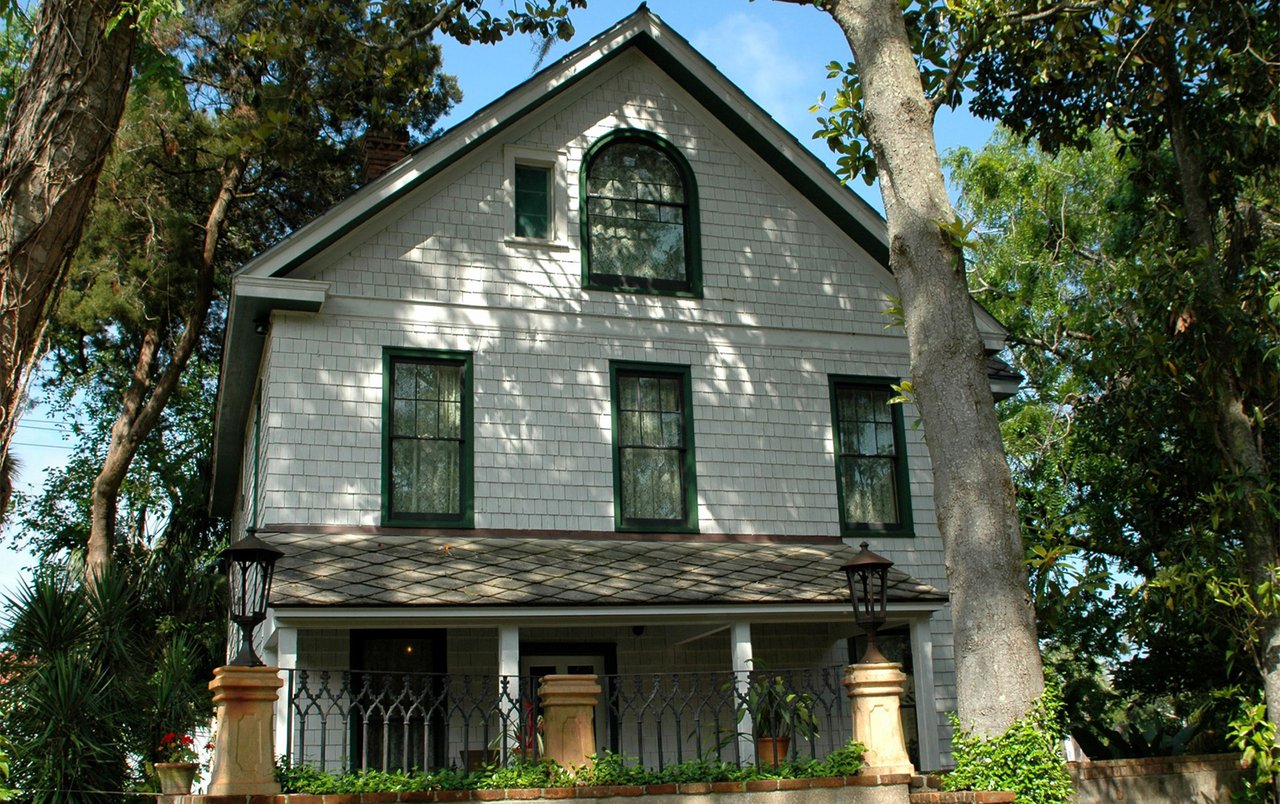
What Buyers Should Know About Buying an Older Home
Older homes can offer something that newer construction often cannot—character, established neighborhoods, unique architecture, and a sense of history. They can also come with features and maintenance considerations that buyers should understand before making a decision.
If you’re considering purchasing an older home, looking beyond its appearance and asking the right questions can help you make a more informed choice.
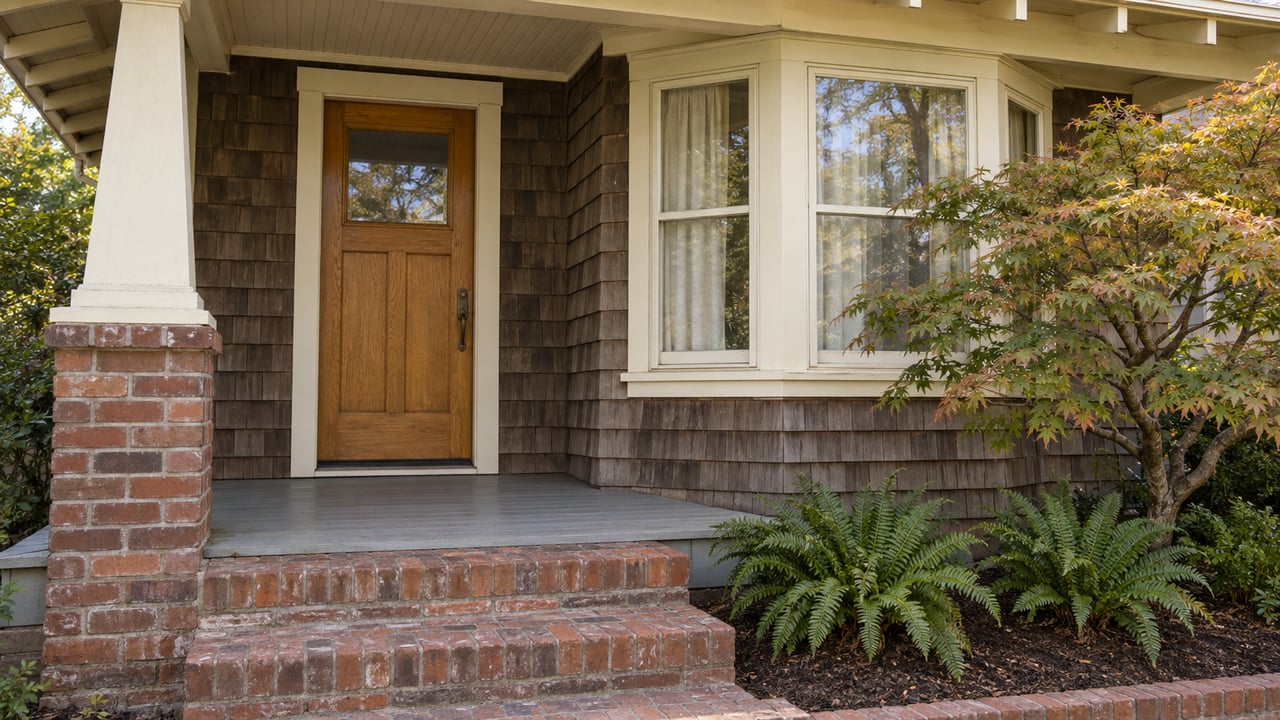
An older home may have beautiful details such as hardwood floors, original doors, built-ins, or distinctive architectural features. However, cosmetic appeal should not be the only factor you consider.
Pay attention to the condition of major components such as the roof, foundation, plumbing, electrical system, windows, and heating and cooling systems. Understanding the condition of these areas can help you anticipate future maintenance needs.
Many older homes have been renovated or partially updated over the years. Ask what improvements have been completed and when they were made.
Updates to the roof, electrical, plumbing, HVAC, kitchen, bathrooms, or windows can make a significant difference in a home's functionality and maintenance needs. When possible, review available permits, receipts, warranties, and other records related to major improvements.
Older homes may require more attention than newer properties, depending on their age, condition, and previous maintenance.
Before buying, consider both the immediate repairs and the potential long-term maintenance. Creating a realistic budget for upkeep can help you determine whether the property fits your financial plans.
Older homes may have less efficient insulation, windows, appliances, or heating and cooling systems than newer construction.
Ask about utility costs and look for opportunities to improve efficiency. Simple upgrades such as better insulation, energy-efficient lighting, weather sealing, or updated appliances may improve comfort and potentially reduce energy use.
A professional home inspection can provide valuable information about the property's current condition.
An inspection may identify issues that aren't obvious during a regular showing, giving you a better understanding of the home's major systems and potential repairs. Depending on the property, you may also want to consider specialized inspections for areas such as the roof, sewer line, chimney, or other specific concerns.
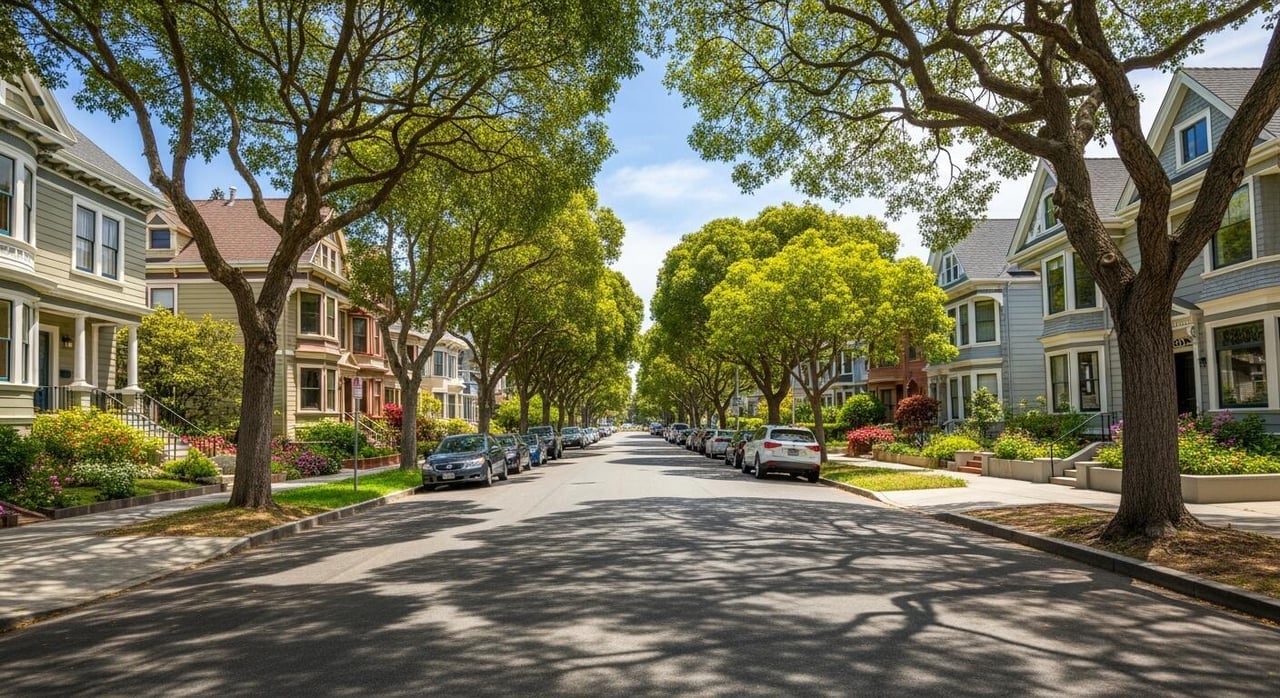
One advantage of many older homes is their location in established neighborhoods with mature landscaping, nearby services, and a developed sense of community.
Take time to research the neighborhood, including nearby amenities, transportation, schools, development plans, and recent sales. A home's surroundings can be just as important as the property itself when considering your long-term plans.
Before purchasing an older home, consider how well it will fit your needs several years from now.
Think about the home's layout, available storage, parking, accessibility, maintenance requirements, and potential renovation needs. A property that works well today should also make sense for your future plans.
Buying an older home can be an opportunity to own a property with character and a unique history. At the same time, buyers should understand the home's condition, previous improvements, maintenance needs, and potential future expenses before moving forward.
Taking the time to inspect the property, review its history, research the neighborhood, and consider your long-term goals can help you make a more informed real estate decision. Working with experienced real estate and inspection professionals can also help you better understand what you're purchasing and what to expect after closing.

Alameda Point Redevelopment: Housing and Community Growth
Alameda County Program Helps Seniors Age in Place by Selling Their Homes
Housing Affordability in Alameda County: What It Means for Homebuyers and Homeowners
A successful move requires someone who can see both the immediate details and the larger picture. Joe brings more than 35 years of experience to help clients make decisions with clarity and confidence. When you're ready, he's ready to help.
Joe LoParo
2437 Santa Clara Ave Alameda, CA 94501 Joe LoParo | CA DRE# 01394083 Keller Williams Advisors | CA DRE# 02029039