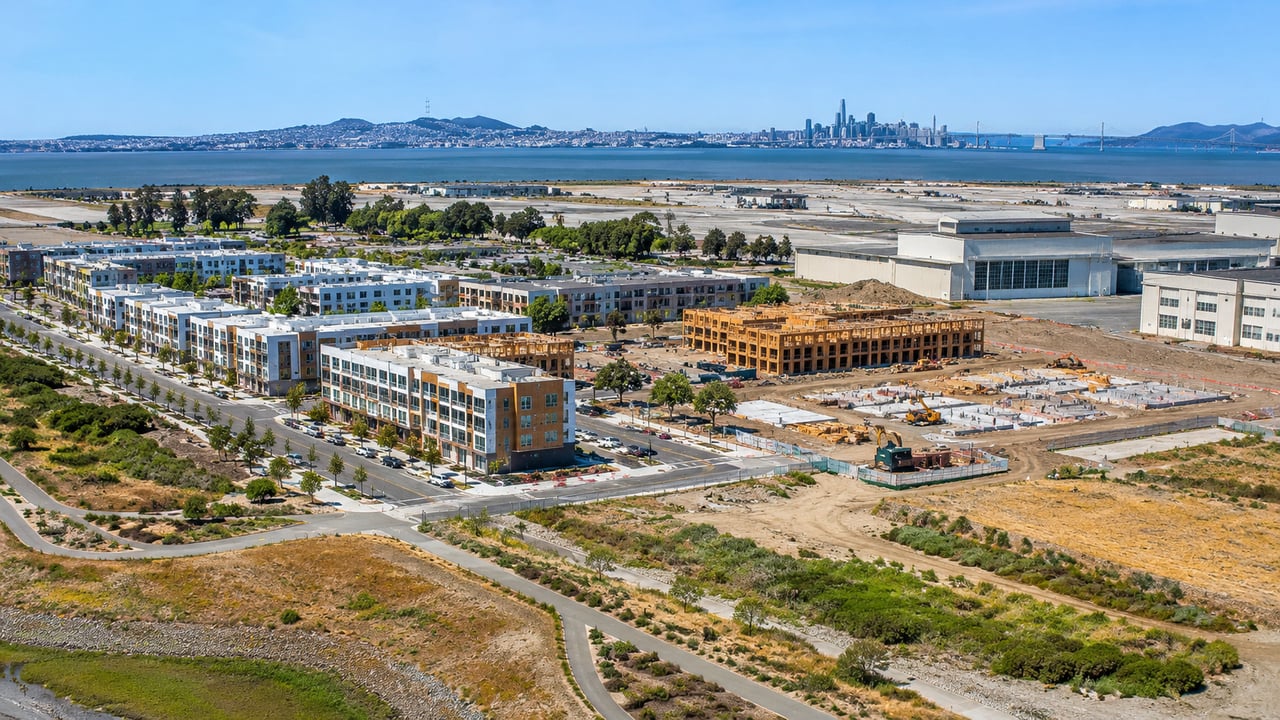
Alameda Reviews Housing Authority and Housing Plans
Alameda continues to explore ways to strengthen its housing programs and support future residential development. During its November 17, 2026, City Council meeting, local officials considered a proposal to review the relationship between the City of Alameda and the Housing Authority of the City of Alameda (AHA).
The discussion comes as Alameda works to advance affordable housing projects, particularly at Alameda Point, where redevelopment efforts aim to create new homes, improve infrastructure, and build a more connected community.
While the proposal focuses on how housing programs are managed, its potential implications extend to the city's long-term housing goals and future neighborhood development.
The Alameda Housing Authority plays an important role in helping eligible residents access affordable housing. Through federally funded rental assistance programs and partnerships with housing developers, the agency supports individuals and families who may otherwise struggle to find suitable housing.
However, recent differences between the Housing Authority and city officials have raised questions about how housing priorities, financial resources, and development decisions are coordinated.
During the November 17 meeting, the City Council considered a recommendation for staff to examine whether certain Housing Authority functions could be integrated into city government or managed through another governance structure.
The purpose of the proposed review is to identify opportunities for better coordination, improved transparency, and more effective implementation of Alameda's affordable housing priorities.
A governance review does not necessarily mean that the Housing Authority will become part of city government. Any restructuring would require further evaluation and additional decisions.
One of the primary reasons behind the discussion is the ongoing redevelopment of Alameda Point, the former Naval Air Station that is gradually transforming into a mixed-use community.
The area's redevelopment plans include residential neighborhoods, affordable housing, public spaces, transportation improvements, and community-serving facilities.
Two major developments are particularly important:
Stardust Gardens: An 80-unit supportive housing development planned as the first phase of the larger Rebuilding Existing Supportive Housing at Alameda Point (RESHAP) initiative. The project is intended to provide affordable homes and supportive services for residents with significant housing needs.
West Midway: A planned mixed-income development that includes 478 residential units, up to 10,000 square feet of nonresidential space, and improvements to streets, utilities, infrastructure, and open spaces.
Together, these projects represent an important part of Alameda's efforts to expand housing opportunities while creating a more complete and connected neighborhood.
Large housing developments require coordination among local government agencies, housing organizations, developers, and funding partners.
For Alameda Point, discussions have involved the availability of federal housing assistance, construction financing, and long-term operating support.
Stardust Gardens has received significant state funding commitments, including a $44.5 million Affordable Housing and Sustainable Communities award and a conditional $15 million Multifamily Housing Program award.
These resources are intended to help advance construction and related improvements. However, securing funding is only one part of the process.
Housing developments also depend on regulatory approvals, operating budgets, and agreements among participating organizations.
By reviewing how the city and Housing Authority coordinate their responsibilities, officials hope to identify ways to reduce administrative challenges and keep important housing initiatives moving forward.
Although discussions about agency governance may seem separate from everyday real estate concerns, housing policy can influence how communities develop over time.
For Alameda residents, several potential benefits are worth watching.
More Housing Opportunities
Continued investment in residential development could expand housing options for people with different incomes and household needs. Projects at Alameda Point aim to support a more diverse housing community.
Improved Neighborhood Infrastructure
New housing developments often include improvements to streets, utilities, pedestrian connections, and public spaces. These investments can contribute to a neighborhood's accessibility and overall appeal.
Stronger Community Planning
Better coordination among housing agencies and city officials could help support more consistent planning, particularly when projects involve multiple developers and funding sources.
Long-Term Neighborhood Growth
As redevelopment progresses, Alameda Point has the potential to become an increasingly connected residential and commercial destination, with opportunities for new housing, local services, and community activities.
These outcomes are potential long-term benefits rather than guaranteed results of the proposed governance changes.
Alameda's housing priorities extend beyond constructing new buildings. The city is also working to address affordability, support vulnerable residents, improve transportation connections, and create neighborhoods that can meet changing community needs.
The November 17 discussion highlights how important coordination and long-term planning are to achieving those goals.
According to the city staff recommendation, a review of possible governance arrangements could lead to additional recommendations in early 2027. Any proposed changes would require further consideration.
For now, the discussion represents another part of Alameda's broader effort to address housing challenges while supporting continued development at Alameda Point.
Alameda's review of Housing Authority governance reflects the city's ongoing attention to affordable housing, redevelopment, and long-term community planning.
With major projects such as Stardust Gardens and West Midway forming part of the area's future, decisions about funding, coordination, and housing administration could play an important role in determining how these developments move forward.
For residents, homebuyers, and property owners, staying informed about local housing initiatives provides valuable insight into how Alameda's neighborhoods may continue to evolve.
Alameda Reviews Housing Authority and Housing Plans

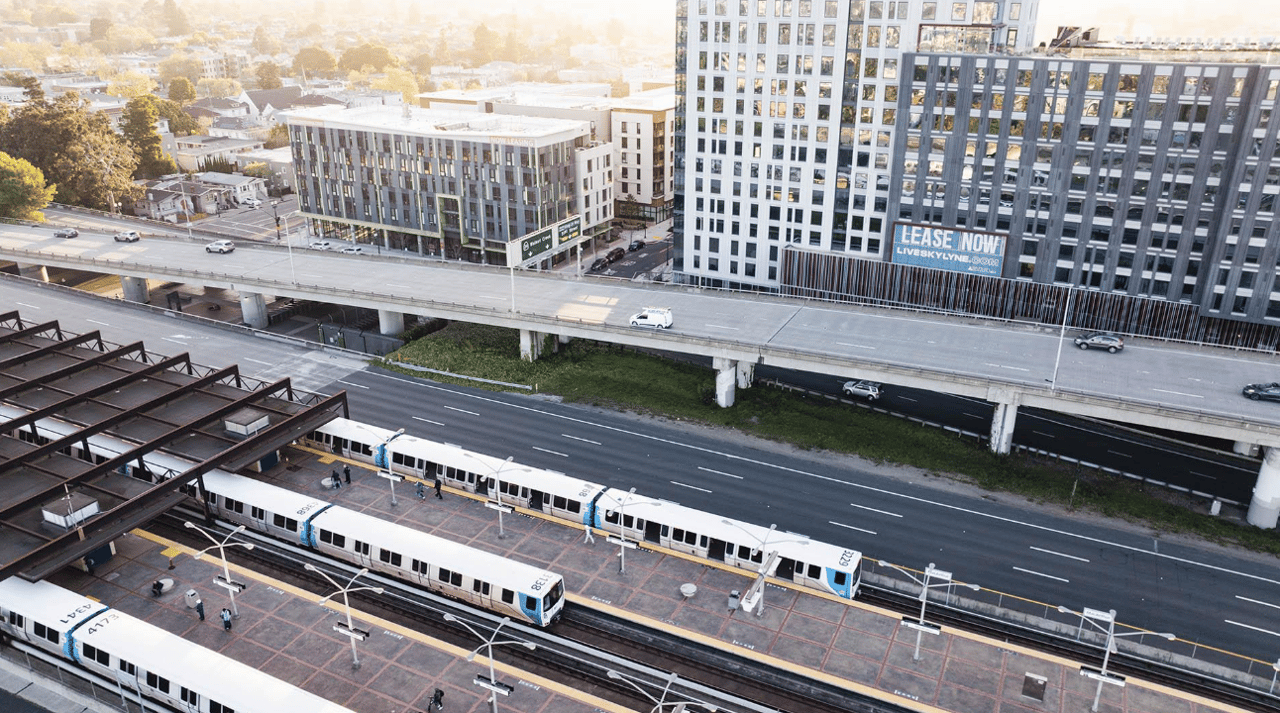
Oakland Updates Transit-Area Housing and Zoning Rules
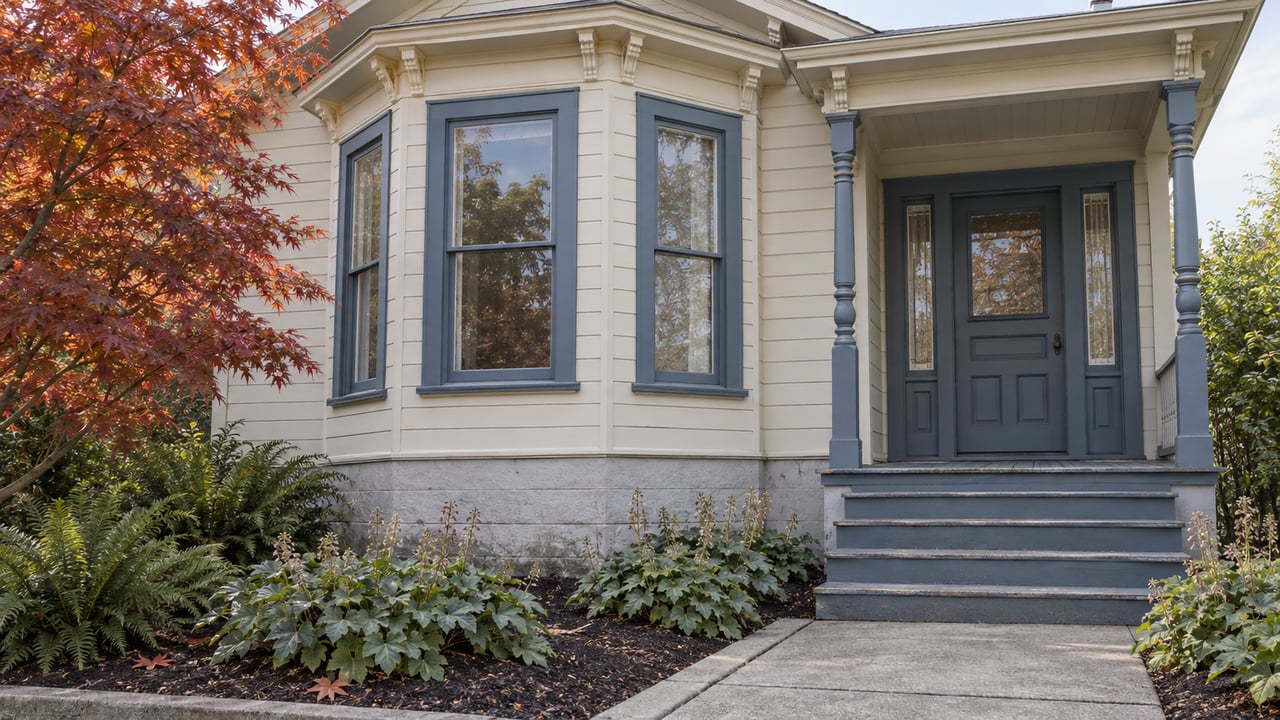

East Oakland Adds 119 Affordable Homes at Liberation Park
A successful move requires someone who can see both the immediate details and the larger picture. Joe brings more than 35 years of experience to help clients make decisions with clarity and confidence. When you're ready, he's ready to help.
Joe LoParo
2437 Santa Clara Ave Alameda, CA 94501 Joe LoParo | CA DRE# 01394083 Keller Williams Advisors | CA DRE# 02029039