Measure L Bills Each Alameda Home by the Price Its Owner Paid
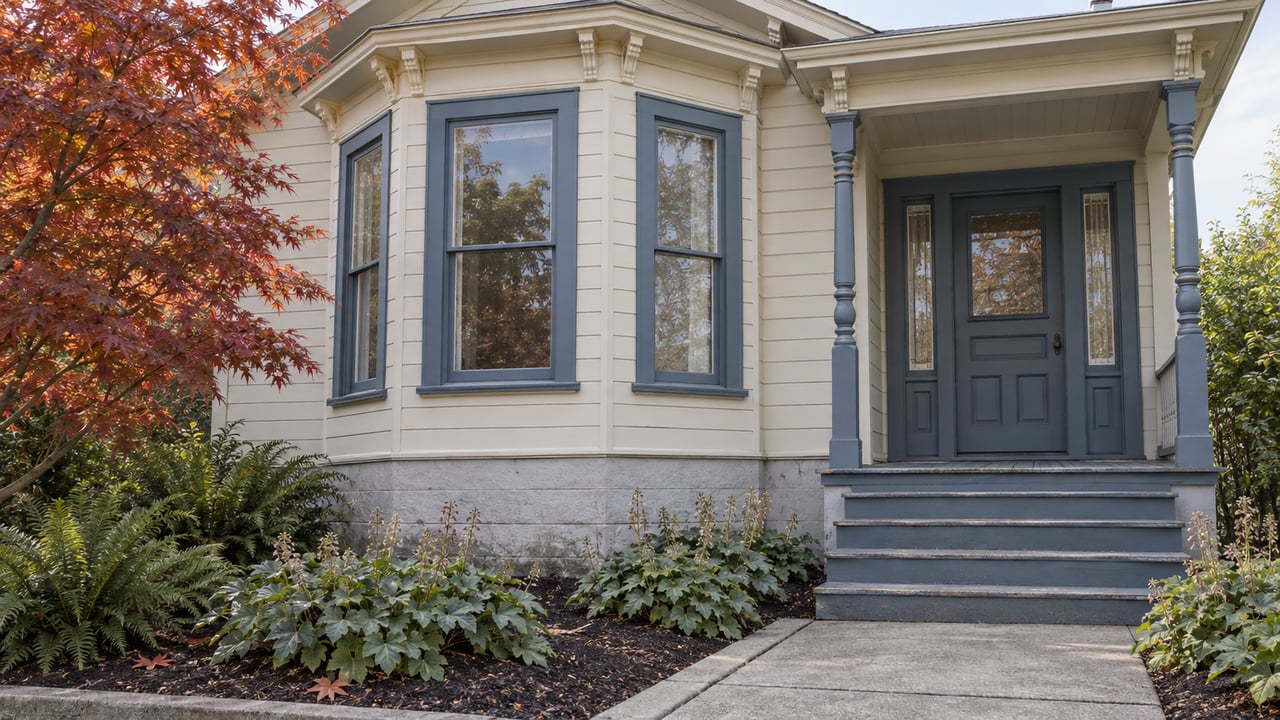
Two houses face each other on an Alameda street. Both were built the same year, have the same floor plan and need the same roof work. Under Measure L, could one owner pay several times what the other pays for the same new fire stations and storm drains?
Yes, and that's how the measure is designed. In the Alameda County Registrar of Voters' unofficial count, Measure L, the SAFER Alameda Act, had 12,933 yes votes to 5,361 no votes. That's 70.70%, against the two-thirds it needs. The page was last updated November 4 and still read "Preliminary/Unofficial." The Alameda Post reported that the Registrar expected to keep tallying through mid-November. Certification is still pending, but the way the bond would be charged is already written down.
The City of Alameda describes Measure L as a $300 million general obligation bond. It estimates the cost at about $49 a year for every $100,000 of assessed value, "not the home's current market price," for as long as the bonds are outstanding.
Assessed value is where neighbors split apart. The Alameda County Assessor explains that a property's assessed value can't rise more than 2% a year. It resets to current market value only when the property changes ownership or new construction is completed. A house that last sold in the 1990s still carries a value tied to that decade, plus small annual increases. The house across the street that sold last month carries last month's price.
The City spells out who comes out ahead in its Measure L FAQ:
"Those who have lived in their homes the longest and have lower original purchase prices will pay the least. And those who purchased more recently and will see the greatest long-term benefits of the investments will pay more."
Businesses and other property owners pay on the same basis. On the residential side, the bond's cost leans on whoever bought most recently.
The Alameda Post's roundup of sales from October 12 to 25, 2026 lists 14 closings and a median sale price of $1,157,500 for that two-week window. When a home sells, its assessed value resets to market value, so I treated each sale price as the new owner's starting assessed value. At the City's rate of about $49 per $100,000, the Measure L line works out to roughly:
Now take a hypothetical owner whose home has an assessed value of $300,000 after decades of capped increases. Their share comes to about $147 a year. That's less than the new owner of the Broadway condo pays, and about a tenth of the Sherman Street figure.
In each of these sales, the purchase price sets the number. A 1900 Encinal Avenue home that sold this fall carries a bond line more than twice that of a similar Victorian down the block if that neighbor has owned since the 1980s. As a former contractor, I'd add that the older house might need more structural attention too. The tax bill takes no account of that. It looks only at the date and price of the last sale.
This explains why Measure L shows up as its own line. The Assessor describes a California property tax bill as the 1% general levy plus voter-approved bonded debt, service fees, improvement bonds and special assessments. Once the result is certified, Measure L would fall in the voter-approved bond category. Like the 1% levy, it would be calculated on assessed value, so the same Prop 13 gap carries through.
For a buyer, a second piece of timing comes up in escrow. The California State Board of Equalization explains that a change of ownership can trigger a prorated supplemental assessment on top of the regular annual bill. The number of supplemental bills depends on when the purchase happens:
The regular bill the seller has been paying reflects the seller's assessed value. A buyer who budgets from that bill is budgeting from someone else's purchase price. If the new bond is added to the voter-approved section, the difference between the seller's bill and the buyer's first full year is wider than it was before November.
Many of the families I work with are handling a parent's long-held Alameda house, and for them the assessed value question has direct consequences. Under Proposition 19, as the Board of Equalization summarizes it, parent-to-child transfers on or after February 16, 2021 keep the parent's assessed value only for a family home that is the principal residence of both the parent and the child, subject to a value limit. Other real property is not covered by that exclusion.
When an inherited house doesn't qualify, it's reassessed. The 1% levy and every voter-approved charge, Measure L included, are then recalculated on the new value. A family that sees the parent's Measure L line at $147 or $200 a year may find it several times higher once the house is in the next generation's name.
Prop 19 also works in the other direction for owners 55 and older. The BOE says eligible homeowners can transfer their base-year value to a replacement primary residence anywhere in California. This generally has to happen within two years of selling, can be used up to three times, and any value above the applicable limit is added to the transferred value. In practice, a downsizer who qualifies may carry a lower assessed value into the next home, and that also lowers the Measure L line on that home.
These rules have conditions and limits that the BOE page covers in detail. This post is general information, not legal, tax or financial advice. Before making any decision about a transfer, inheritance or purchase, please confirm your own situation with a tax professional, an estate attorney or the Assessor's office.
The amount each owner pays matters more when you know what it pays for. The City's project list was adopted July 7, 2026, and the projects it names are examples rather than guarantees, with the City Council setting priorities. Named facilities on the list include:
The FAQ also lists flooding in the Tubes and on city streets, sea-level rise, pothole repair, traffic safety and stormwater work. According to the City, the sewer system already has its own funding. Stormwater does not, and many storm drains are too small for today's conditions, which contributes to flooding during storms and high tides. The City also says an independent citizens' oversight committee and annual audits will track spending, and no bond money can go to salaries or pensions.
This is the trade-off the FAQ describes. Recent buyers will be paying for these projects the longest, and their payments are the largest because they bought most recently.
Is Measure L final? As of the Registrar's last update on November 4, it was at 70.70% yes and still preliminary and unofficial. Final numbers come with the county's certification.
Is $49 per $100,000 exact? The City calls it an approximate cost, charged while the bonds are outstanding. The figures above are estimates at that rate.
Does a remodel raise my share? The Assessor says completed new construction can be reassessed, and BOE says it can also trigger a supplemental assessment. Ask the Assessor how your specific project would be treated before you start.
If you're weighing an Alameda purchase, settling a parent's house or planning a downsize, I'm glad to sit down with the numbers on a specific property, including how the seller's tax bill compares with what yours is likely to be after closing. Joe LoParo has worked with Alameda homes, and the people who own them, for more than four decades. Let's Connect.

East Oakland Adds 119 Affordable Homes at Liberation Park
East Bay Greenway Brings New Improvements to San Leandro

Alameda Point Redevelopment: Housing and Community Growth
A successful move requires someone who can see both the immediate details and the larger picture. Joe brings more than 35 years of experience to help clients make decisions with clarity and confidence. When you're ready, he's ready to help.
Joe LoParo
2437 Santa Clara Ave Alameda, CA 94501 Joe LoParo | CA DRE# 01394083 Keller Williams Advisors | CA DRE# 02029039