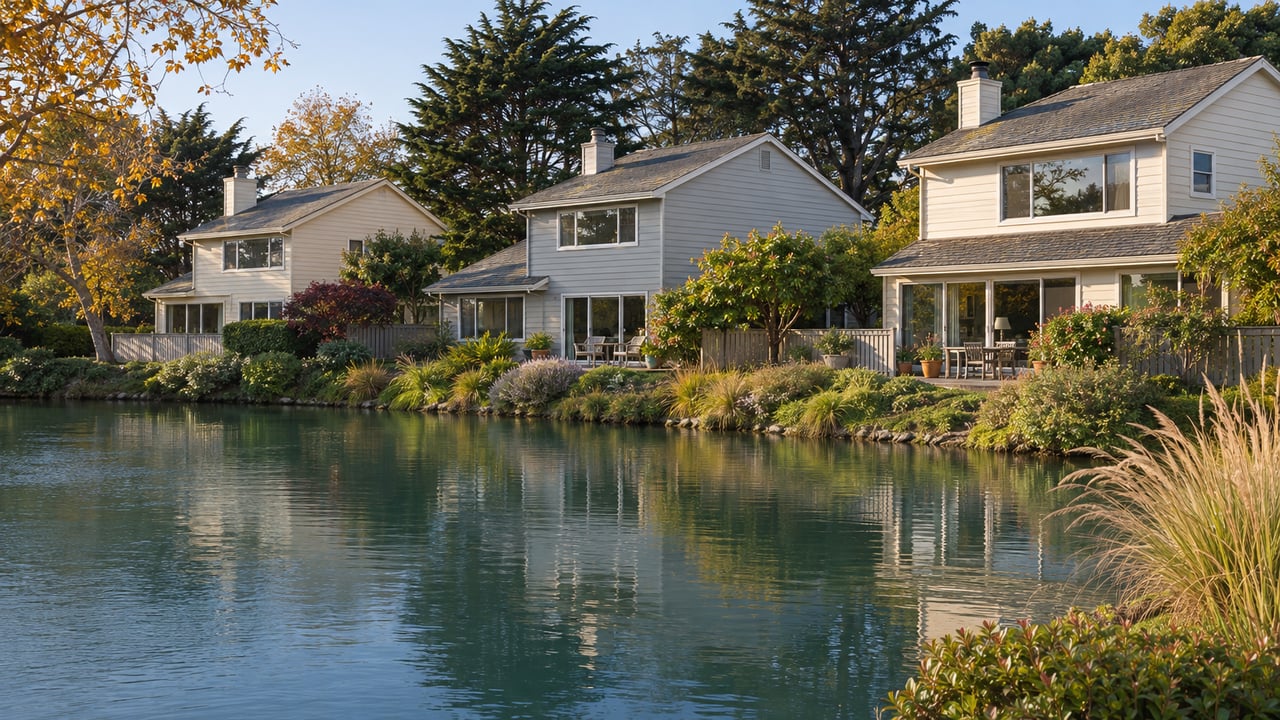
Bay Farm Island Homes, Sorted by the Year They Were Built
On September 17, 2026, two three-bedroom houses on Bay Farm Island closed escrow on the same day. One was 1129 Island Drive, built in 1969 with 1,340 square feet and one bath. It sold for $825,000. The other was 137 Brighton Road, built in 1984 with 1,522 square feet and two baths. It sold for $1,550,000. The two homes are about 180 square feet apart in size and roughly $725,000 apart in price.
Bay Farm sales tend to look like that once you line them up. I went through every 94502 sale in the Alameda Post biweekly sold-property tables for closings from July 20 through November 8, 2026, which comes to 43 homes. The year built sorts those prices more cleanly than any other column in the table. It works because Bay Farm went up in separate waves, built by different developers under different rules, and each wave still sells inside its own price band.
The Alameda Post's history of Bay Farm Island traces the order. Bay Farm was farmland first. Its first residential street, Garden Road, filled in from the 1920s to the 1940s. Homes reached the Uplands in the late 1940s on the ABC drives: Azalea, Begonia and Camelia. In the early 1960s, builders added Magnolia Drive, Lilac Street and Oleander Avenue around a cul-de-sac at the end of Fitchburg Street.
The second wave was townhomes. Braddock & Logan broke ground in 1966 and built the Casitas village within three years. By 1971 they had finished 438 townhomes in a second neighborhood named Islandia, and then they started Garden Isle.
The third wave sits on new land. Utah Construction's dredge created ground where tideland and marsh had been, and in 1972 Utah and Ron Cowan's Doric Development formed Harbor Bay Isle Associates with a master plan for 10,000 homes. In March 1973, Alameda voters passed Measure A. According to the same history, it cut Harbor Bay's planned total to about 3,000 homes. Doric started building in 1976. Baywood was going up by 1977, and the first Harbor Bay community of 239 attached townhomes began in 1978.
That history explains why Bay Farm today is detached houses and townhomes, with each section built close to the same year. A house's build year tells you which wave it came from.
Among the 43 Bay Farm sales that closed between July 20 and November 8, 2026, the price bands split this way:
The remaining sale was 22 Garden Road, built in 1915, which is about as old as Bay Farm housing gets. It was listed at $1,150,000 and sold for $1,050,000 after 82 days.
In the newest band, buyers paid over asking without exception. 262 Ratto Road, built in 1997, was listed at $1,468,000 and sold for $1,802,000. 31 Salmon Road, built in 1995, sold for $1,750,000 against a $1,599,000 list. Two homes on Diapian Bay, built in 1990 and 1991, sold for $1,680,000 and $1,530,000. Most of the 1960s and 1970s homes closed near their list prices. Bidding was strongest on the newer houses.
These counts come from about four months of closings, so they won't hold to the dollar. Still, after more than four decades of watching this island, I'd say the pattern is a fair picture of how Bay Farm prices.
The middle band is where a buyer has to slow down. Two homes built in 1979 show why. 402 Baywood Road has 1,725 square feet and sold for $650,000. 30 Sea Bridge has 1,962 square feet and sold for $1,665,000. In 1985, 28 Shepardson Lane sold for $700,000 and 107 Parfait Lane sold for $720,000. That same build year, 365 Channing Way closed at $1,330,000 and 106 Purcell Drive at $1,250,000.
Harbor Bay built attached townhomes and detached houses during the same years, so a 1980s build year can mean either one. In this band, you have to know what kind of building the home is and which association it belongs to.
That association structure comes in layers. The Community of Harbor Bay Isle Owners' Association is the master association. Its 2026 magazine says it is made up of 20 project associations organized within seven villages. The names include Bay Colony, Baywood Village, Brittany Landing Bay, Headlands, Lantern Bay, Promontory, Sandpiper Cove and Woodbridge. The master association uses its assessments to maintain privately owned common areas: greenbelts, interior landscaping, HOA lighting, non-city walking paths and the lagoon. The City maintains public streets, sidewalks and parks. According to the association's lagoon page, the lagoon runs nearly 2.5 miles from San Francisco Bay to the San Leandro Channel. Each April it is lowered so staff can service storm drains, docks and shorelines.
Some homes belong to both layers. The Bay Isle Pointe architectural rules name the Community of Harbor Bay Isle and the Bay Isle Pointe association together. When I'm comparing two Harbor Bay homes built in the same year, I ask for the paperwork from every association early, so the buyer can set the two homes side by side well before an offer is due.
The main island works differently. In the September 14 to 27 closing window alone, 94501 houses built between 1910 and 1920 sold anywhere from $935,000 to $2,500,000. 1410 Pearl Street, built in 1910, sold below its $995,000 list. 1616 Dayton Avenue, also built in 1910, went from a $1,998,000 list to $2,500,000. 3257 Central Avenue, built in 1920, was listed at $1,298,000 and sold for $1,842,500. Each century-old house on the main island has its own history of remodels, additions and deferred work. The build year tells you very little about how much of the original house is still there.
Bay Farm's waves give a buyer something firmer to work from. A house's build year narrows the price range before you open the listing.
For a citywide benchmark, the Bay East Association of REALTORS® Alameda detached report puts the October 2026 median at $1,275,000, with buyers paying an average of 114 percent of list and about 1.3 months of inventory. In September 2026 the median was $1,412,544 at 109 percent of list. For condominiums and townhomes, the Bay East attached report shows an October 2026 median of $710,000 with 3.9 months of supply and an average of 106 percent of list. Every Bay Farm sale built between 1965 and 1975 closed below that October detached median. The citywide figure blends all of those eras together, and on Bay Farm the build-year bands split them back apart.
My years as a general contractor shape how I walk through each wave. On a house from 1965 to 1975, I want to know what has already been replaced and when. These homes are more than fifty years old, and their prices reflect that. Permit history, the age of the roof and the major systems, and the quality of past remodels decide whether a sub-$1 million price is a good buy or the first of several large checks.
For a 1978 to 1989 Harbor Bay home, I read the association documents as closely as I walk the house. I want to know which parts of the building the project association maintains, which parts the owner maintains, and how the master association's responsibilities fit on top of that. In a townhome, those answers can matter more than the condition of the kitchen.
On a 1990s house, buyers this fall paid over asking every time. A thorough inspection before writing an offer tells you how far above list the house is worth going to you. If you're comparing any of these to a century-old main-island home, our guide to buying an older home covers the other side of that decision.
Every wave on Bay Farm shares the same amenities. The City's Shoreline Park, established in 1978, wraps around the outer edge of the island with paved walking trails. According to the Bay Trail's route map, there is a six-mile loop around Bay Farm, plus a bicycle and pedestrian drawbridge to the main island. Corica Park has a South Course, an 18-hole North Course, the nine-hole Mif Albright Par-3 and a driving range. All 18 holes of the North Course reopened in March 2025.
For commuters, the San Francisco Bay Ferry's Harbor Bay schedule, in effect since November 2, 2026, runs weekday service to and from Downtown San Francisco with a crossing of about 25 minutes. Main Street riders saw changes the same day, covered in our ferry commute post. Harbor Bay Landing at 867 Island Drive is Bay Farm's shopping center. The City's major projects page shows that the developer withdrew its preliminary redevelopment application on November 21, 2025, and set no timeline for resubmitting.
For more on the rest of the city, our Alameda neighborhood page covers the main island.
If you're deciding between a 1970s Bay Farm home, a 1990s Harbor Bay house and a century-old main-island home, I'm glad to walk through each one with you. We can look at the structure, the association documents and the sales from its own build band. That's the kind of comparison Joe LoParo has been helping Alameda buyers make since 1984. Let's Connect.
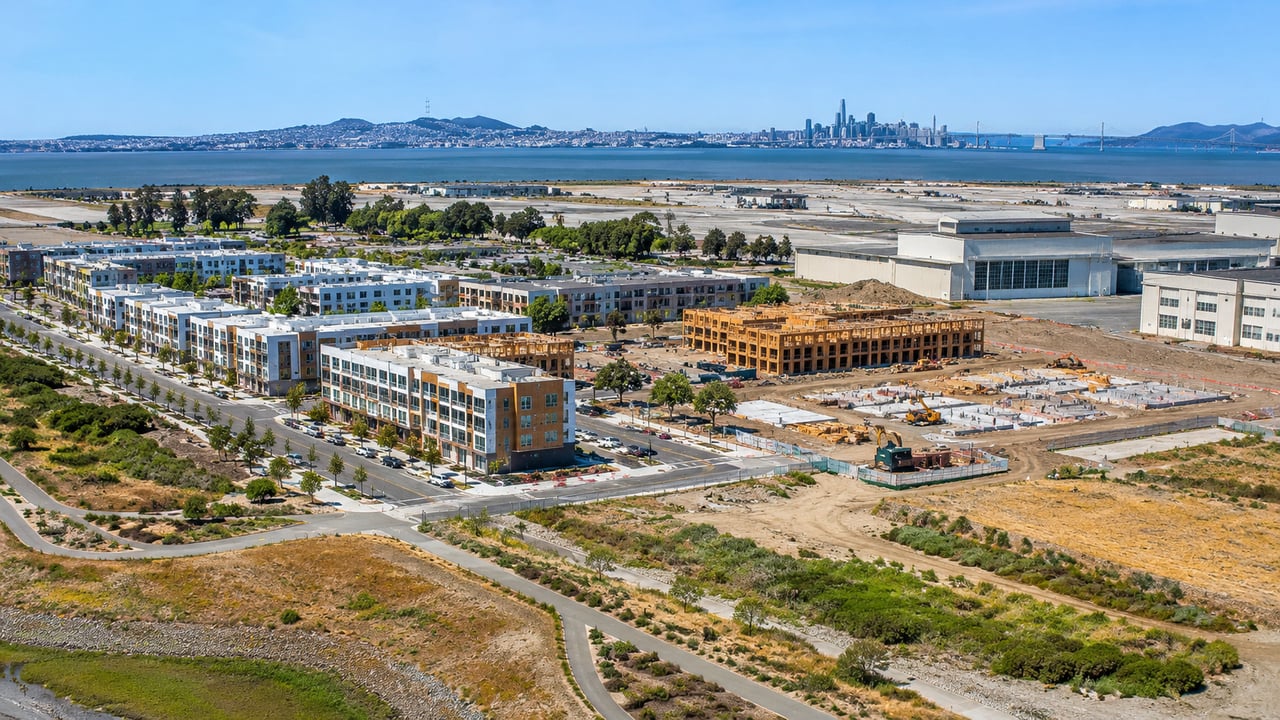
Alameda Reviews Housing Authority and Housing Plans
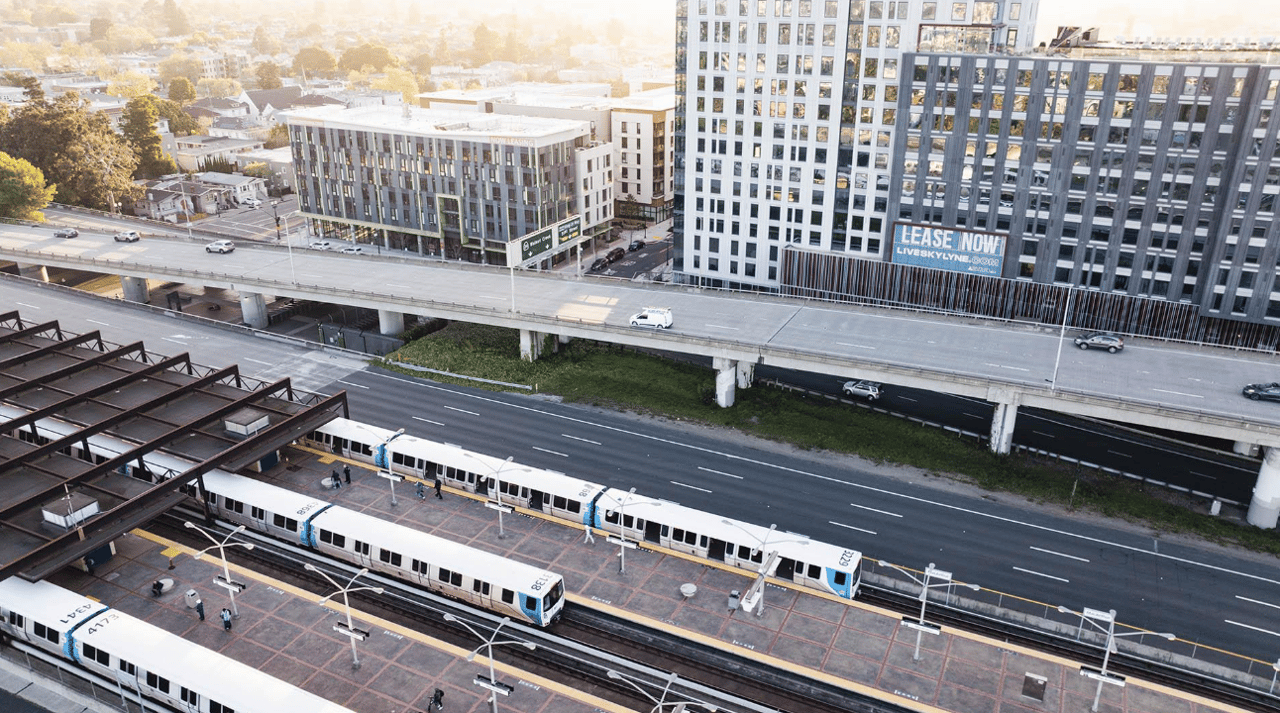
Oakland Updates Transit-Area Housing and Zoning Rules
East Oakland Adds 119 Affordable Homes at Liberation Park
A successful move requires someone who can see both the immediate details and the larger picture. Joe brings more than 35 years of experience to help clients make decisions with clarity and confidence. When you're ready, he's ready to help.
Joe LoParo
2437 Santa Clara Ave Alameda, CA 94501 Joe LoParo | CA DRE# 01394083 Keller Williams Advisors | CA DRE# 02029039