The Sewer Lateral Rule That's Actually Kinder to Alameda Sellers
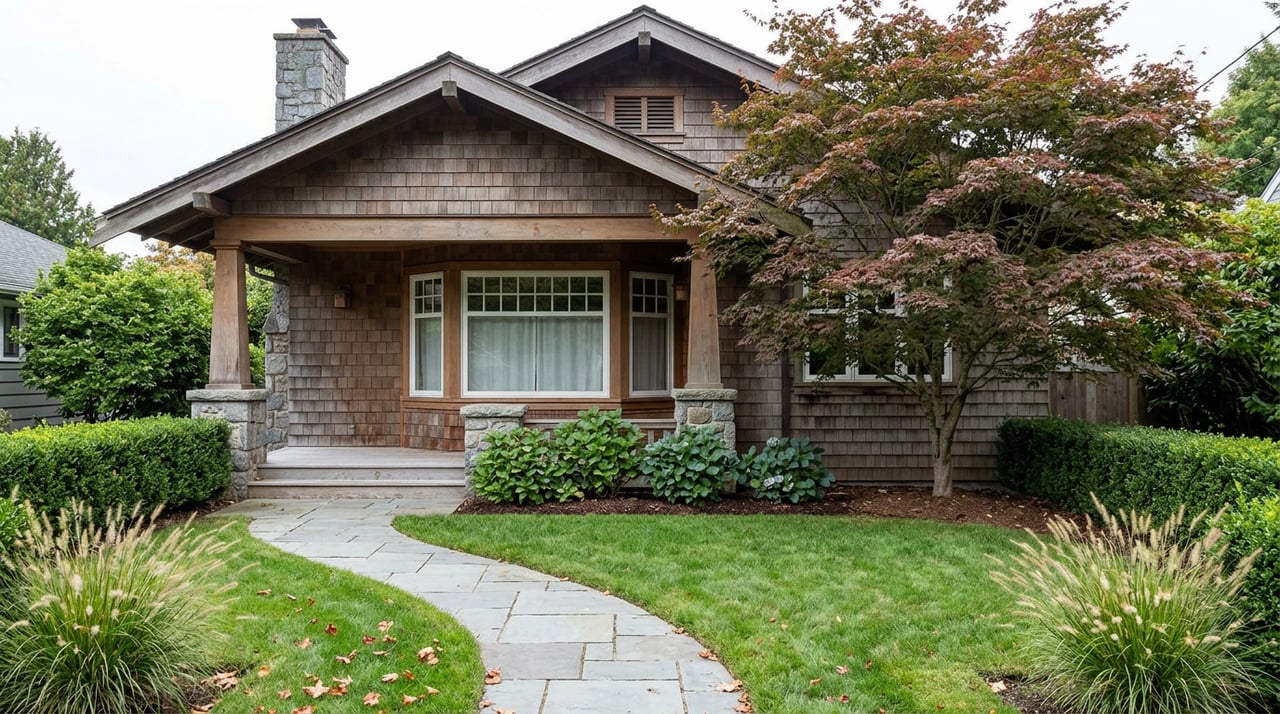
A seller near Central Avenue once walked me to the side yard and pointed at a soft, darker patch of grass that never quite dried out. She was sure it was a sprinkler line. It wasn't. It was the private sewer lateral, the pipe that carries wastewater from her 1920s bungalow out to the street, and it had a cracked joint that no landscaper was ever going to fix.
That conversation happens on almost every older property tour I do in this city, because escrow in Alameda does not close until that pipe has been tested and certified. What most sellers do not realize, and what most generic guides to this rule get wrong or leave out entirely, is that Alameda drew its own boundary line for who is responsible for what. That boundary is the reason a lateral problem here is usually a smaller, cheaper, faster fix than the identical problem three miles away in Oakland.
The requirement itself comes from outside Alameda. In 2009 the EPA and the California Regional Water Quality Control Board ordered the East Bay Municipal Utility District, along with several East Bay cities, to stop old cracked sewer pipes from letting rainwater leak into the sanitary system, because that infiltration can overwhelm treatment plants and send partially treated sewage into the Bay. EBMUD phased in the Regional Private Sewer Lateral Program starting in 2011 to address it, and the program now covers Alameda, Albany, Oakland, Emeryville, Piedmont, El Cerrito, Kensington, and the Richmond Annex. Berkeley runs its own separate version.
The rule gets teeth through three triggers: a property sale, a remodel or building permit over $100,000, or a change in water meter size. Sell a house in this coverage area and a Compliance Certificate from EBMUD becomes part of the closing checklist, right alongside the deed and the loan documents. No certificate, and escrow does not fund.
Here is the part that changes the math for anyone selling or buying in Alameda. Every property owner in this EBMUD program is responsible for their private sewer lateral from the house to the public main, except in two cities. Alameda and Albany drew the line at the property boundary itself.
| City in the EBMUD PSL Program | What the Owner Must Certify |
|---|---|
| Alameda | Upper lateral only, from the house to the property line or curbside cleanout |
| Albany | Upper lateral only, from the house to the property line or curbside cleanout |
| Oakland | The entire lateral, house to the public main under the street |
| Piedmont | The entire lateral, house to the public main under the street |
| El Cerrito | The entire lateral, house to the public main under the street |
| Emeryville | The entire lateral, house to the public main under the street |
| Kensington | The entire lateral, house to the public main under the street |
| Richmond Annex | The entire lateral, house to the public main under the street |
That difference is not a technicality. The lower lateral, the segment running under the sidewalk and street to the main, is where the expensive work lives: street cuts, traffic control, deeper trenching. In Alameda and Albany, the City owns that lower segment and its cost. A seller here is testing and certifying a shorter run of pipe on their own property, which is exactly why a failed test in Alameda tends to mean a contained repair rather than a full street excavation. The City does still require a two-way cleanout installed at the property line if one is not already there, and if that cleanout falls inside the sidewalk area, you will also need a City right-of-way concrete permit through the Permit Center. But the scope stops at the curb.
A licensed contractor, holding either a C-36 plumbing license or a C-42 sanitation system license under Alameda's version of the plumbing code, runs a camera through the lateral to look for root intrusion, offset joints, and cracked or broken segments. If the pipe looks clean, the contractor sets up an air or water pressure test that an EBMUD inspector personally witnesses. Pass that test and EBMUD issues the Compliance Certificate on the spot.
Most East Bay homes built before 1950 have never had their original clay lateral touched, and Alameda's West End has plenty of that housing stock. Root intrusion and cracked joints are the most common findings, not the exception. If the contractor finds a problem, repairs typically run from a few hundred dollars for a small point repair to well into five figures for a full replacement, and simple point repairs can often wrap up in about two weeks while a full replacement can take six to eight weeks once permits, scheduling, and any sidewalk restoration are factored in. A Compliance Certificate earned through full replacement is good for 20 years. One issued after a repair, or a test that passed without any work at all, is good for seven.
Sometimes a lateral fails its test with two weeks left before closing and there is no realistic way to finish a repair in time. EBMUD has a release valve for exactly this situation: a Time Extension Certificate, which lets escrow close on schedule while giving the responsible party 180 days after closing to finish the work. It requires a $4,500 refundable deposit held by EBMUD, returned in roughly four to six weeks once the repair is done and a real Compliance Certificate is issued. Buyer and seller negotiate between themselves who covers that deposit and who ultimately pays for the fix, the same way any other repair credit gets negotiated in a purchase contract.
This is the tool that keeps an Alameda closing on the calendar instead of blowing it up. I have seen agents on both sides treat a failed lateral test like a crisis when it is really just a line item to negotiate, provided everyone knows the extension option exists before panic sets in.
If you are managing a parent's or grandparent's Alameda house through a family transfer rather than a traditional sale, the trigger may not apply to you at all.
Fiduciary and estate transfers are exempt from the point-of-sale trigger, along with direct family-line transfers between spouse or domestic partner, parent and child, grandparent and grandchild, or great-grandparent and great-grandchild.
That matters for anyone I work with on a legacy transition. It does not make the lateral disappear as a maintenance issue, and the certificate requirement will still apply the moment a future remodel crosses $100,000 or the water meter changes size. But it means an adult child inheriting a long-held family home is not automatically forced into an unplanned sewer repair the day the deed transfers. That is one less pressure point during an already emotional process.
My contractor background is the reason I push sellers to test the lateral before a buyer's inspector ever finds it. A pre-listing test costs you a Saturday morning and a contractor's fee. A mid-escrow surprise costs you leverage, because now a buyer's lender is asking about holdbacks and your closing date is suddenly a negotiation.
Before you list an older Alameda home, pull together:
The City of Alameda's Public Works Department administers the local piece of this program directly, and EBMUD's regional site handles scheduling, certificates, and property lookups for the whole coverage area. Both are worth bookmarking if you are within a year or two of selling.
Does a condo need this? Usually the HOA is responsible for shared laterals and should have already filed a Statement of Responsibility with EBMUD. If you own a unit where the individual owner is responsible instead, the certificate is required before title transfers, just like a single-family home.
How do I know if my lateral already has a valid certificate? EBMUD's property search tool will show a current certificate and its expiration date. If you have a physical certificate that is not showing up online, you can apply for an exemption certificate to get it on record.
What if my lateral is less than 10 years old? A recent, unexpired certificate from a past remodel or replacement can qualify you for an exemption rather than a fresh test, as long as it is still within its validity window.
The upper-lateral rule will not make an Alameda sale immune from a sewer surprise. It does mean the surprise is usually smaller, cheaper, and easier to resolve without derailing your closing date, which is not a small thing when you are trying to keep a sale on track.
If you are weighing when to list, what to test first, or how a family transfer changes your timeline, Joe LoParo has spent as much time under Alameda houses as he has in front of them. Let's Connect before the questions turn into surprises.

Downtown Oakland is entering a new chapter.

Buying a home is about more than finding the right house.
Buying your first home? Discover 5 essential tips for first-time homebuyers, including budgeting, mortgage pre-approval, closing costs, must-haves, and researching the… Read more
A successful move requires someone who can see both the immediate details and the larger picture. Joe brings more than 35 years of experience to help clients make decisions with clarity and confidence. When you're ready, he's ready to help.
Joe LoParo
2437 Santa Clara Ave Alameda, CA 94501 Joe LoParo | CA DRE# 01394083 Keller Williams Advisors | CA DRE# 02029039